

How To Repair Torn Rubber
If a tear develops in your polyurethane rubber or silicone rubber mold, one of the following options may aid to repair it.
General Tips & Notes
- Before applying agglutinative to torn molds, clean the affected surface area thoroughly. Denatured booze is a good pick for this, only care must exist taken with respect for wellness and flammability hazards.
- Generally, block molds are easier to repair than thin blanket molds because there is more expanse.
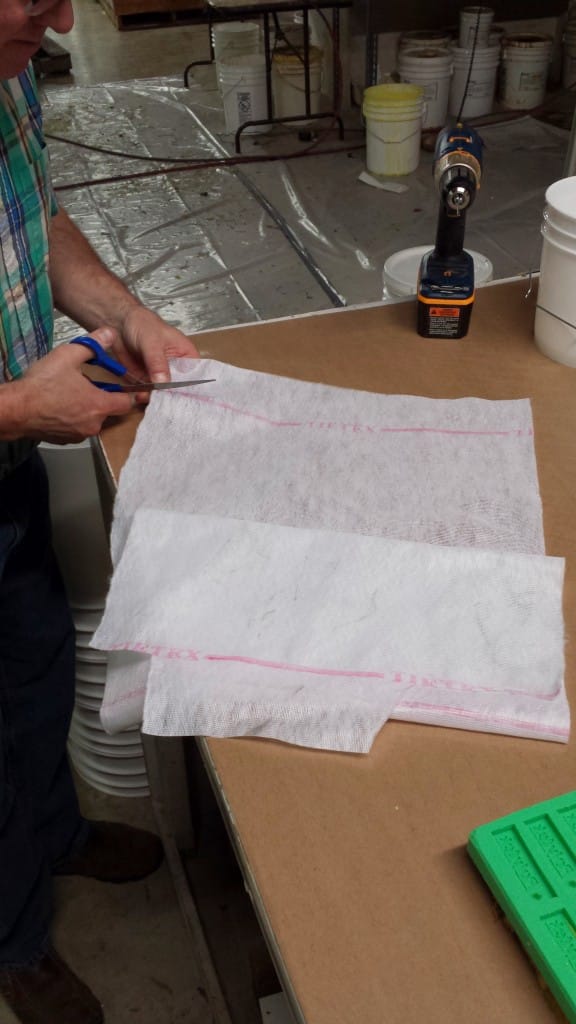
- When repairing sparse blanket molds with agglutinative, consider adding a layer of fabric (eastward.g., TieTex® Textile) to improve reinforce.
- If a tear occurs within 24 hours of creating the mold, yous may be able to utilise the aforementioned mold cloth to repair it.
Repairing Polyurethane Rubber Molds
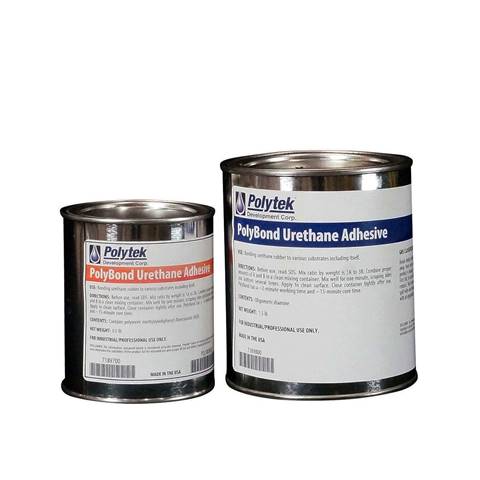
For polyurethane rubber molds, like 74-Series, 75-Serial, and Polygel® rubbers, the ideal pick for repairing tears is PolyBond. PolyBond is a two-function, flexible, polyurethane adhesive that has a 1A: 3B mix ratio (by weight), a iii-minute pour time, and a fifteen- infinitesimal cure time.
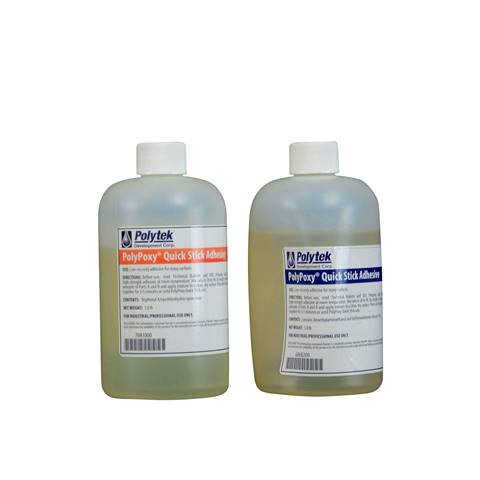
Epoxy adhesives, like PolyPoxy ® Quick Stick Adhesive, could also be used to repair a tear; however, they are non-flexible and will begin to crack if they are situated in a position on the mold that is frequently flexed. It will also hinder the flexibility of the mold in that location.
Example of Repairing a Block Mold with PolyBond
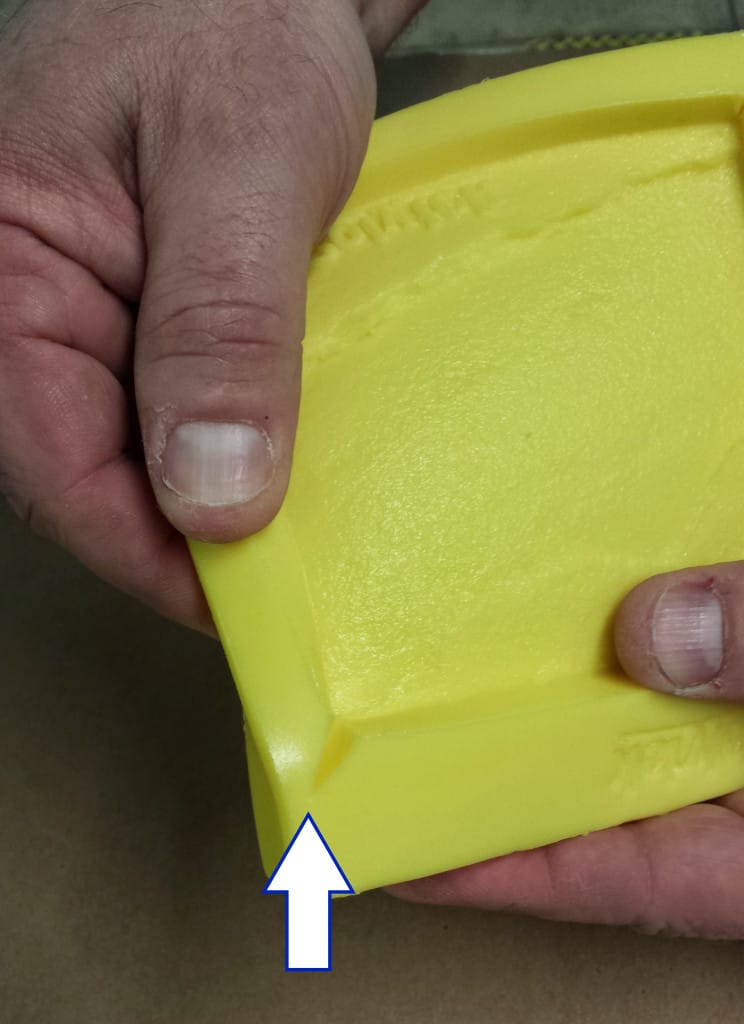
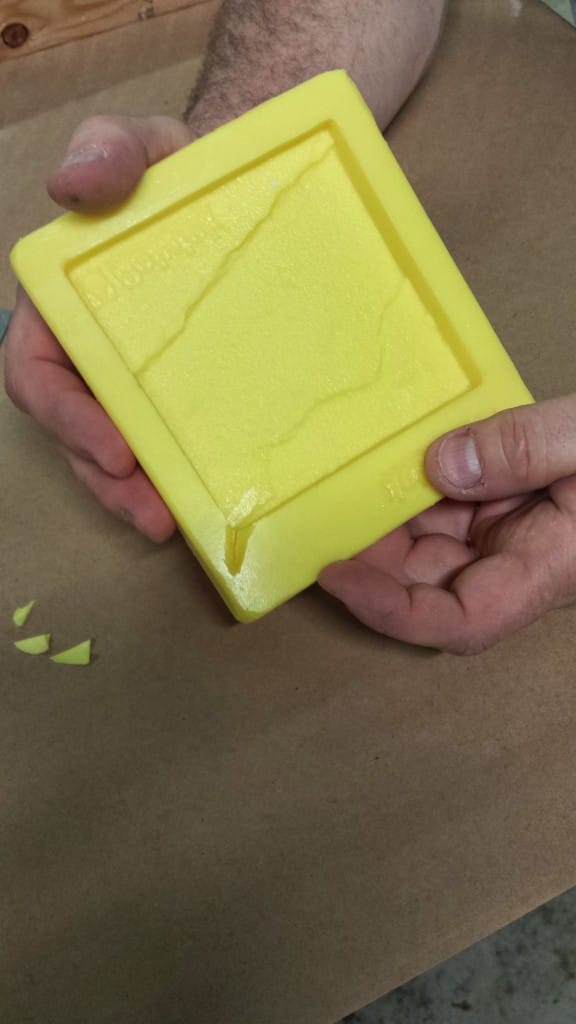
This Poly 74-20 polyurethane rubber coaster mold has a tear in the corner:
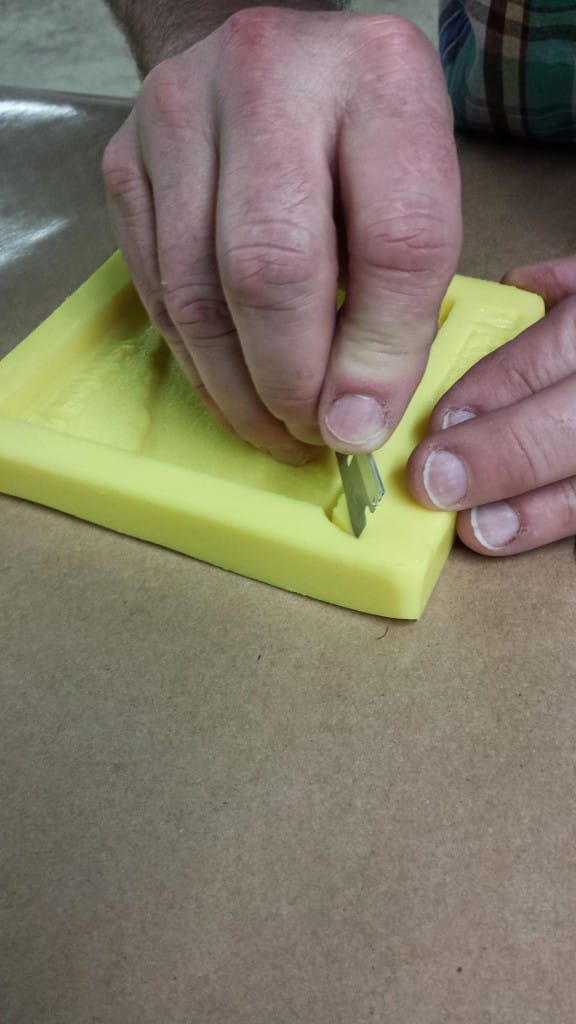
Cutting around the tear to betrayal clean rubber (PolyBond will adhere much meliorate to make clean rubber, as opposed to rubber that is contaminated with release agent, casting materials, etc.):
The new cut:
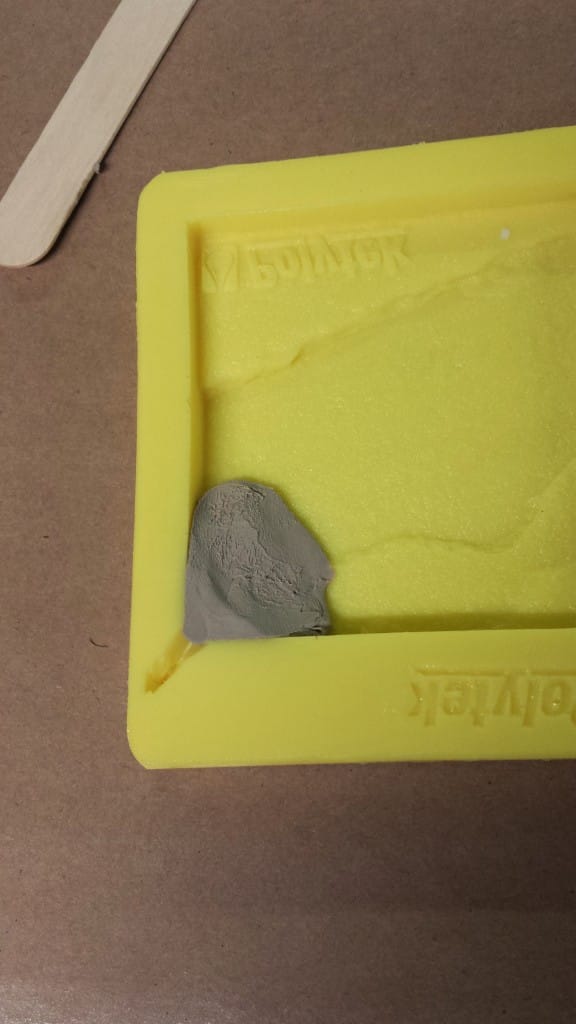
Either position the original model in the mold or employ a different material to recreate the shape of the model to forestall PolyBond from leaking. Plasticine clay is used here:
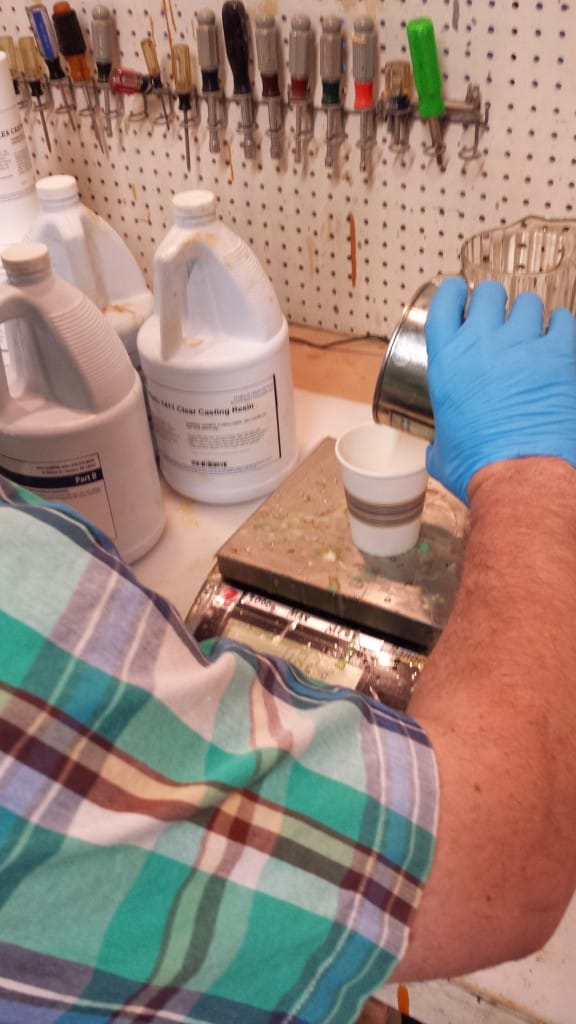
Carefully weigh and mix PolyBond at a 1A:3B mix ratio. It has a 3-minute working time, so application of this adhesive should be done chop-chop after mixing:
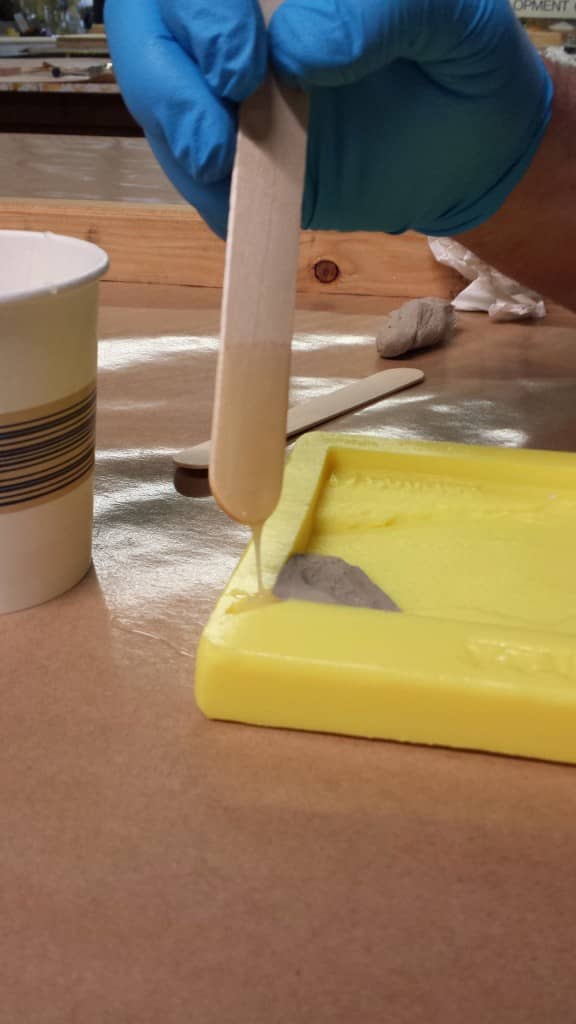
Use PolyBond to the interior of the cutting:
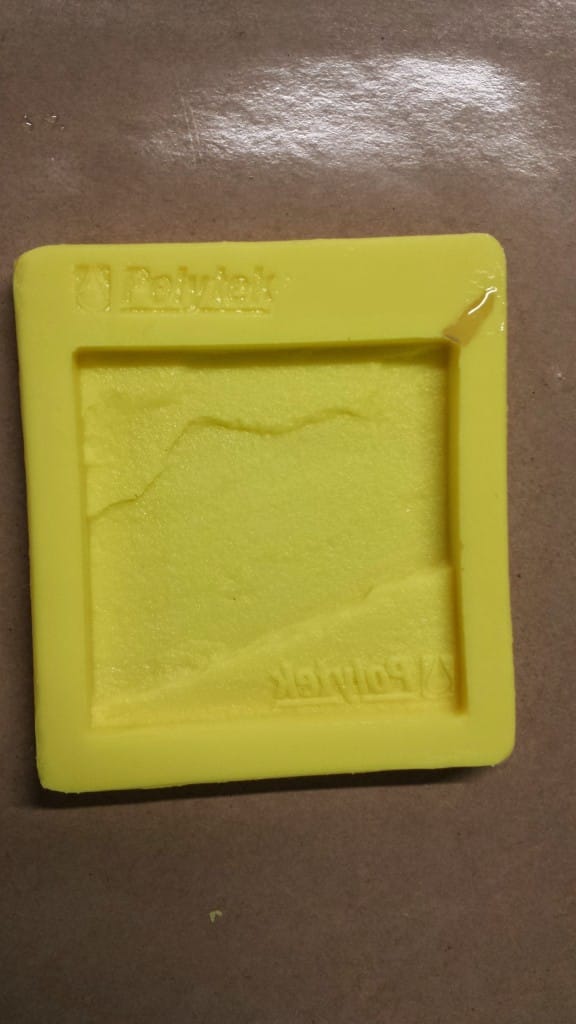
Remove excess PolyBond and allow it to cure (~fifteen minutes):
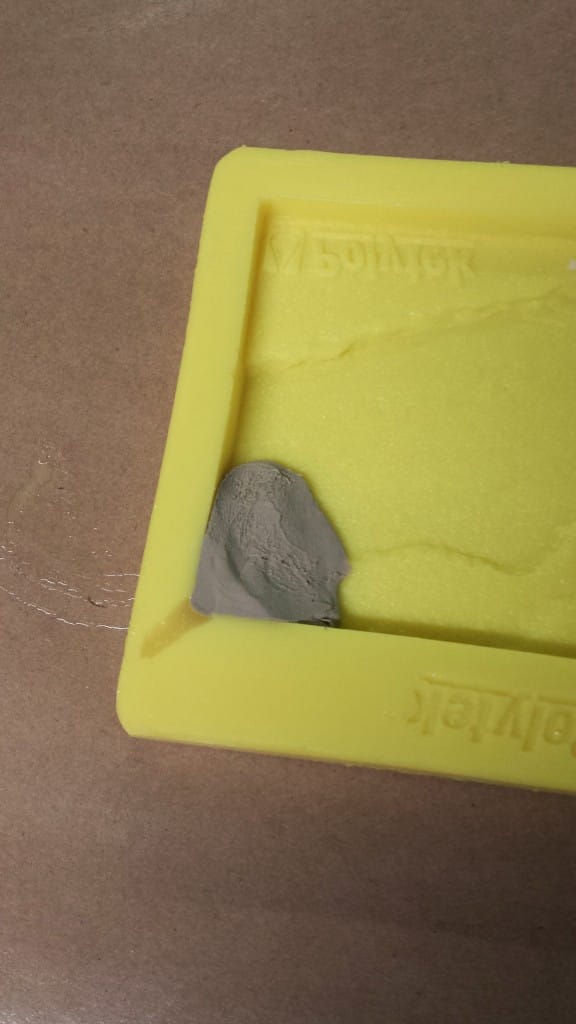
Cured PolyBond:
Example of Repairing a Poured Blanket Mold with PolyBond
Blanket molds are generally thinner than cake molds and tin exist more hard to repair.
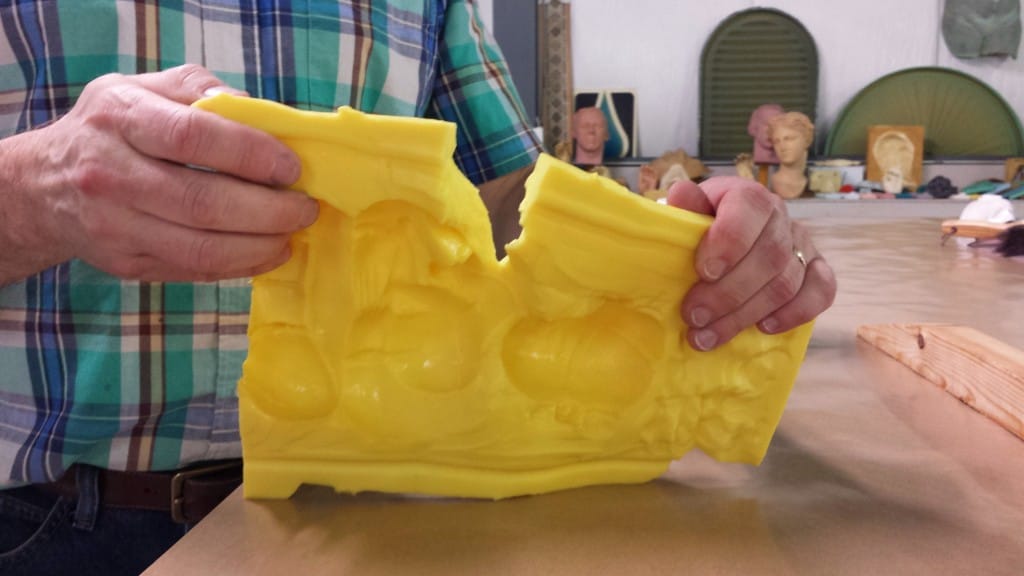
Make clean the affected area with a solvent cleaner, like denatured alcohol (be aware of health and flammability risks with these solvents):
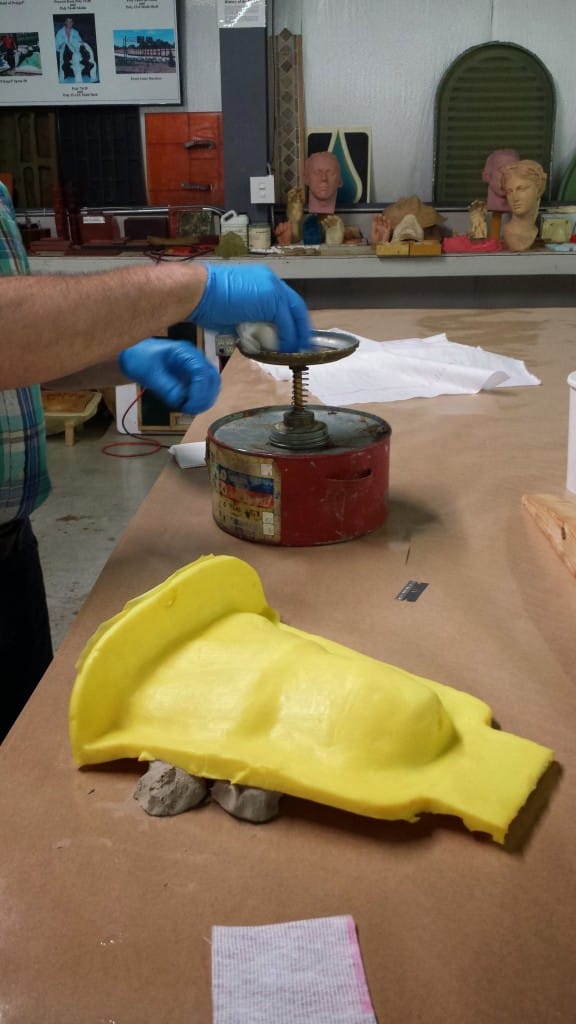
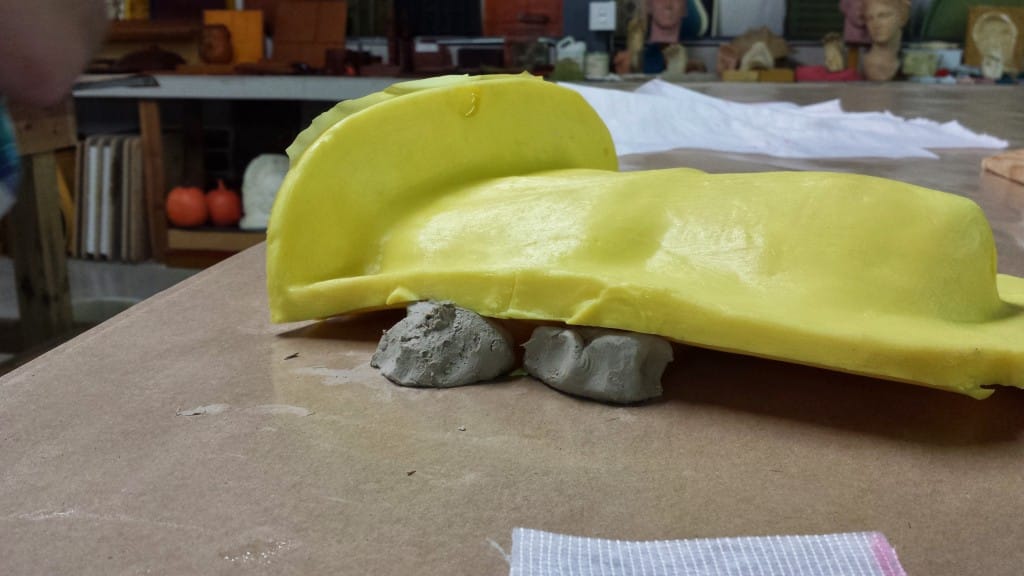
Utilize PolyBond to the interior of the tear:
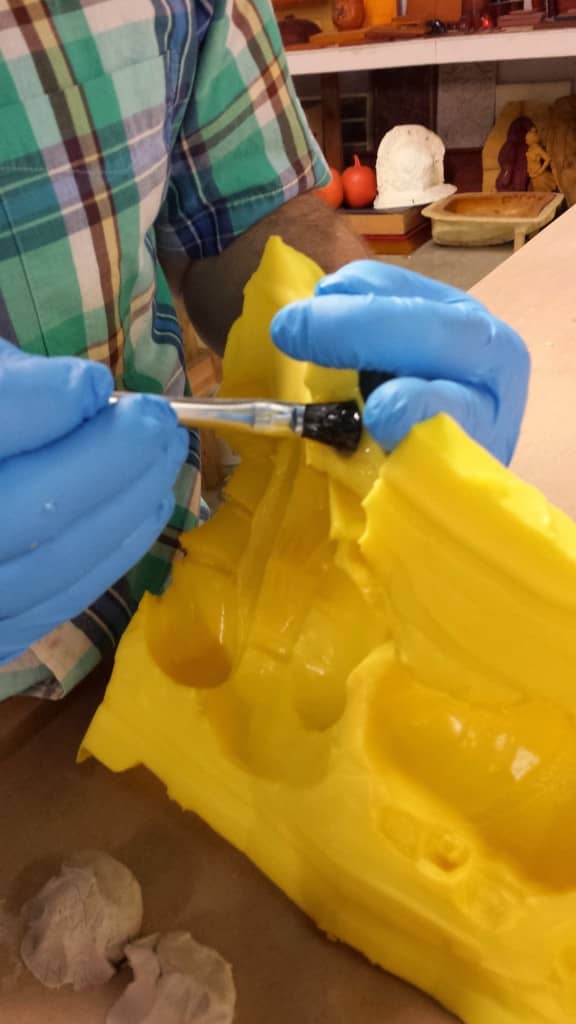
Remove excess PolyBond:
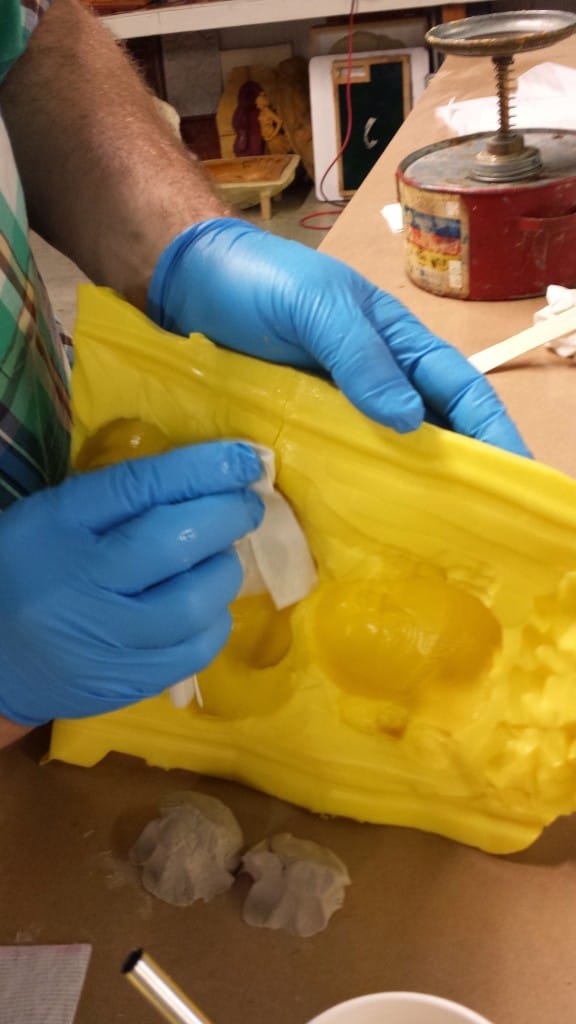
Apply PolyBond to the exterior surface of the tear:
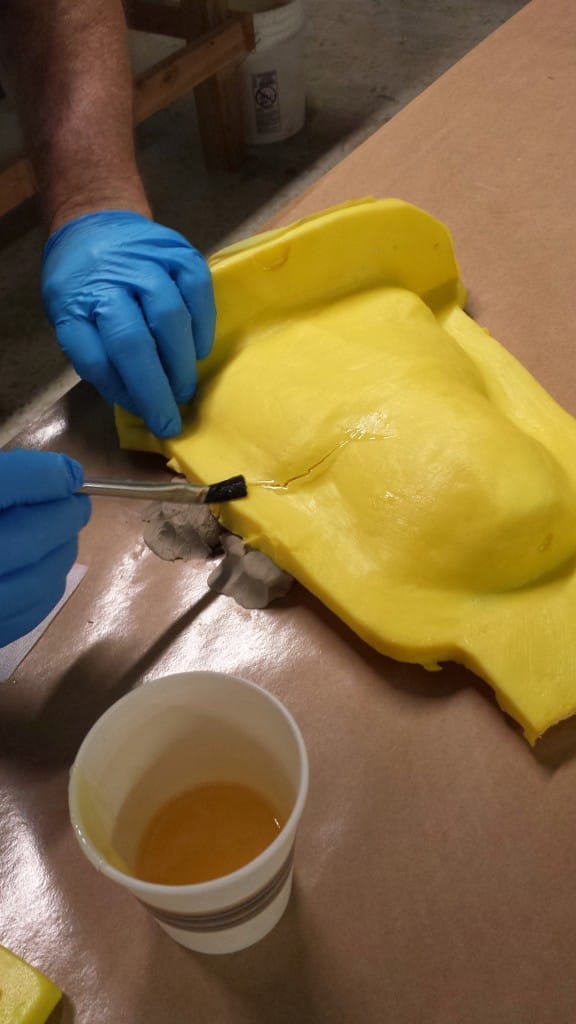
Before mixing the PolyBond, a piece of Necktie-Tex ® Material was cutting to position over the tear for increased reinforcement:
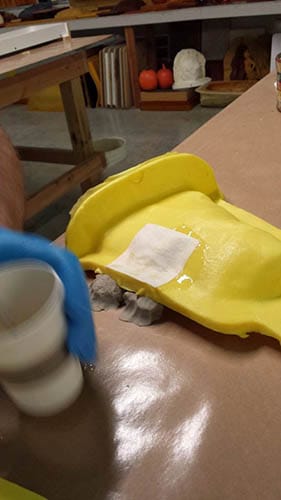
Ensure that the Tie-Tex ® Fabric fully covers the tear:
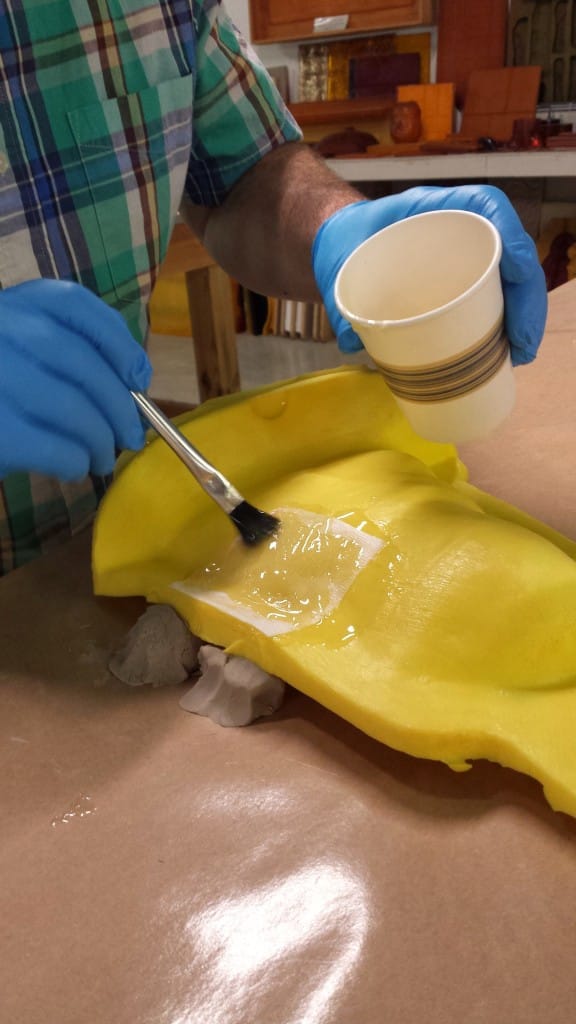
Utilise PolyBond over the fabric:
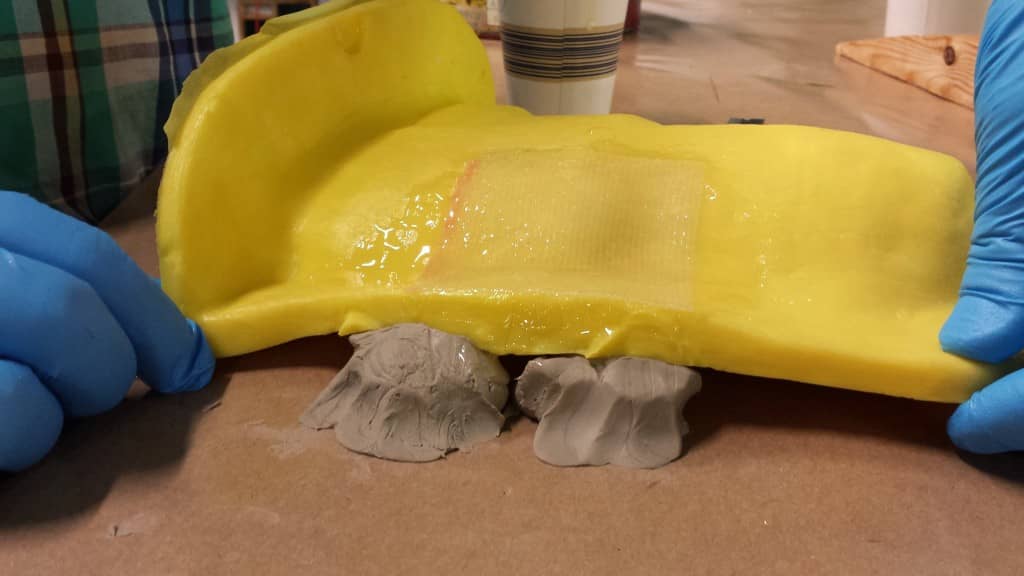
Let PolyBond to cure:
The flexibility of PolyBond makes it platonic for repairing flexible polyurethane; yet, it does have a Shore hardness of ~A50, so if yous're working with a very soft rubber (Shore A20), information technology may interfere with the flexibility of the mold depending on the location of the tear.
Repairing Silicone Rubber Molds
If a modest tear occurs in a platinum-cured silicone rubber or tin-cured silicone prophylactic, a proficient product to use for the repair is TinSil® 80-xxx Silicone Rubber . Traditionally used to make molds, this ii-role, Shore A30 silicone also serves as a great adhesive. TinSil ® eighty-30 has a mix ratio of 1A:10B, a pour time of 45 minutes, and a cure fourth dimension of 24 hours. Because the cure time of this product is 24 hours, information technology is important to situate the ends of the tear in a stable position that will remain unchanged for at least 24 hours.
The techniques used on polyurethane molds, as shown in a higher place, can as well be used when repairing silicone molds.

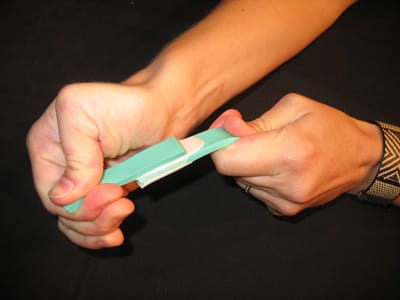

How To Repair Torn Rubber,
Source: https://polytek.com/tutorial/tek-tip-repairing-torn-rubber-molds
Posted by: searsprame1977.blogspot.com
0 Response to "How To Repair Torn Rubber"
Post a Comment